
Compounding Solutions for
Plastics and Masterbatches

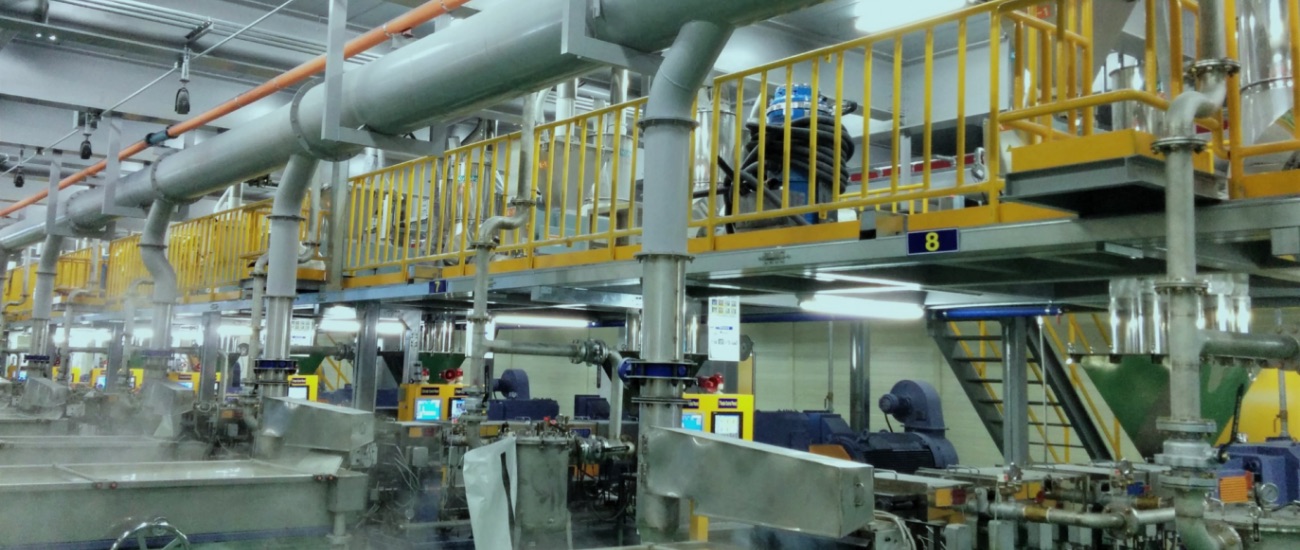
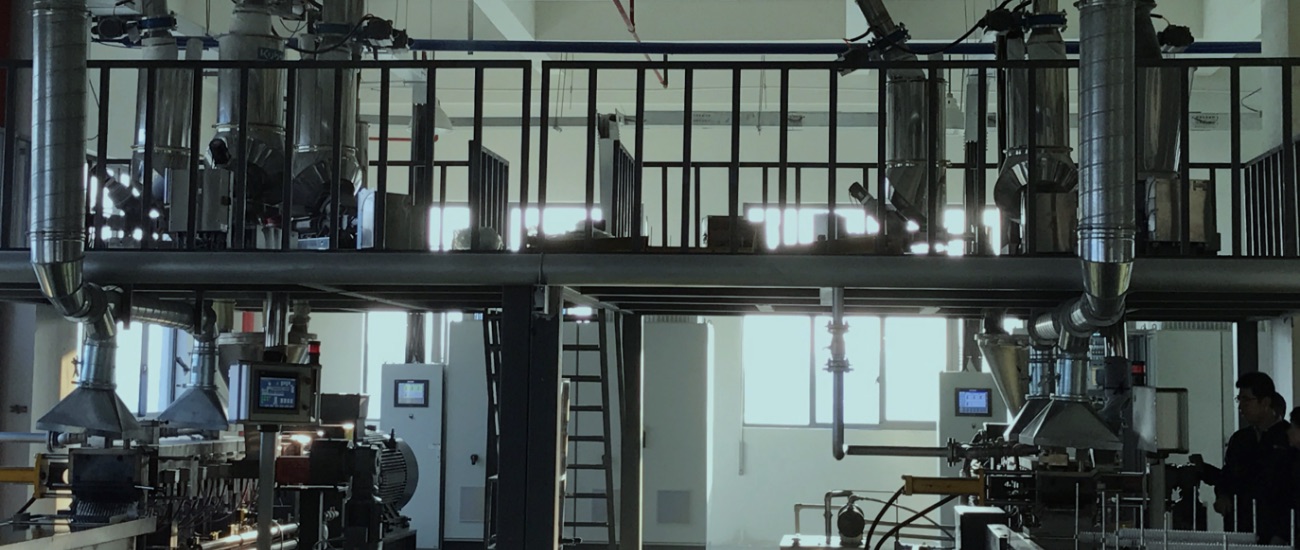
Plastic compounding process is a process of kneading various materials to achieve the desired performance, and it is widely used in manufacturing of polyolefin, engineering plastics (PA, PC, PBT, PPS, etc.) and masterbatches. Each raw material is supplied using a gravimetric feeder, and the materials are melted and kneaded using a twin screw extruder to ensure a optimal end product with the targeting properties. Compounded material is then pelletized to a end product. In this process, a high level of material handling technology and know-how is required because multiple materials such as fillers, additives, pigments, and fibers are added to the polymer in order to exhibit high functionality. We can provide optimal compounding solutions with our high material handling technology know-how and extensive experience.

Material
handling
system
ince the compounding process is continuous and connected to multiple facilities, material handling techniques such as ...
Mixing
system
In the compounding process, depending on the factory layout or mixing ratio, there are cases where multiple materials ...
Feeding
system
Gravimetric feeder is used to input raw materials in precise ratio into twin screw extruder continuously. In order to ...
Twin
Screw
Extruder
In the compounding process, multiple materials supplied from the gravimetric feeder are kneaded and ...
Pelletizer
The material kneaded in the twin-screw extruder is cut into granules by a pelletizer, sorted by vibrating sieve, and sent ...
Packing
and
sewing
process
The pelletized final product is packed in a paper bag or flexible container bag. In the packing process, a predetermined ...

Should you have any questions or need more inofrmation,
please do not hesitate to contact us.

PRODUCTS
-
Feeding system
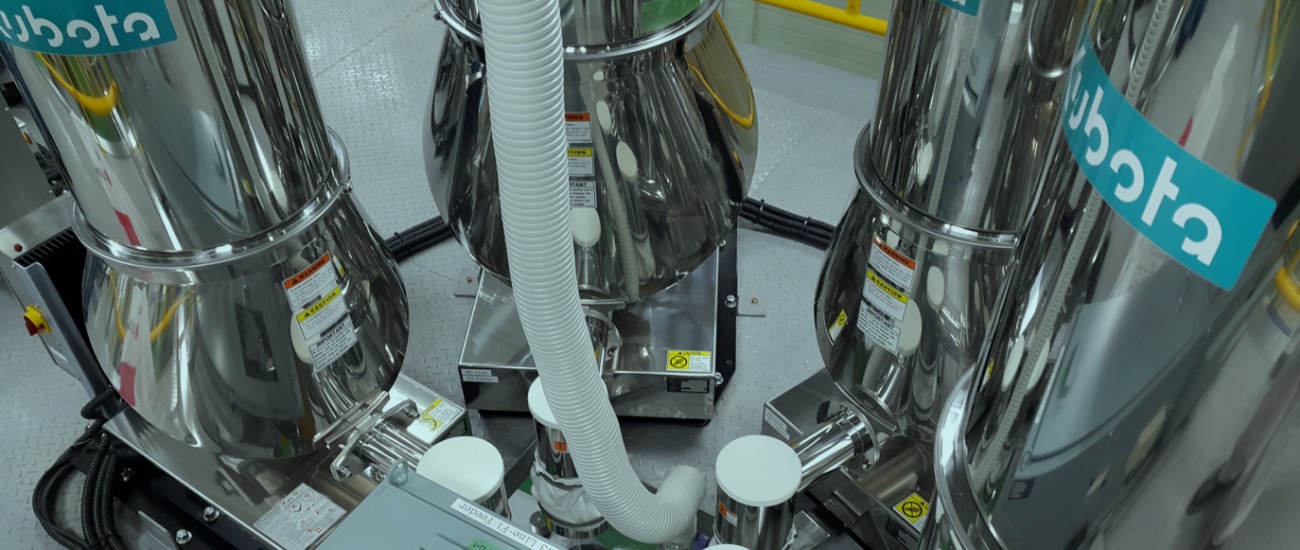
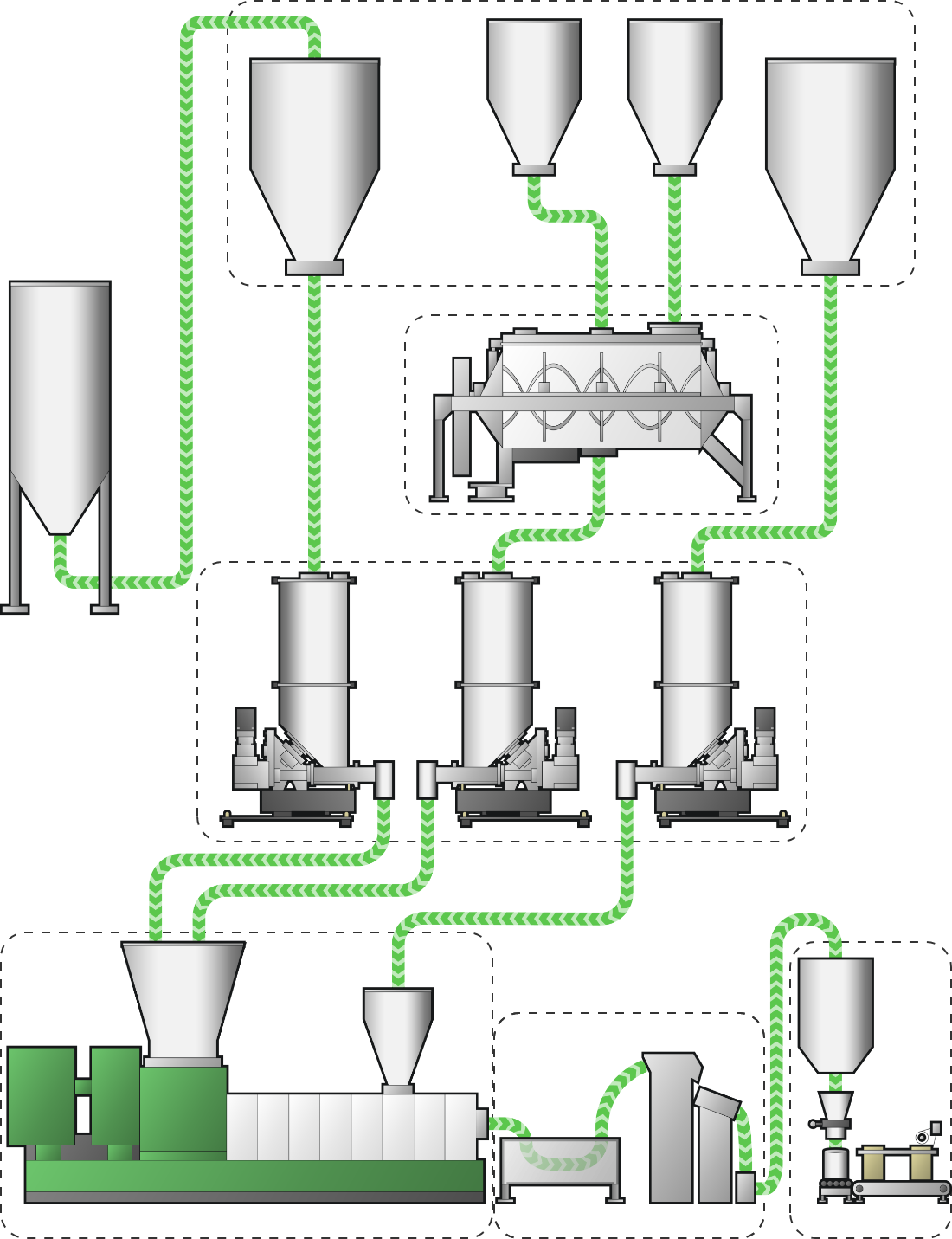
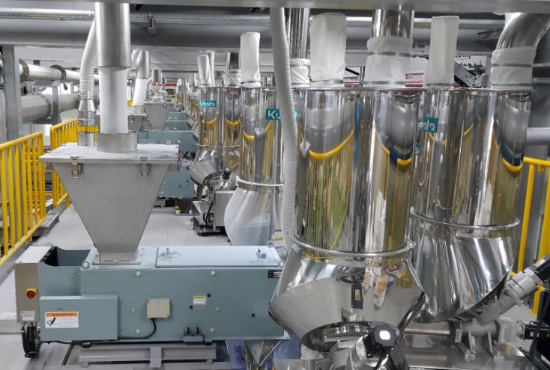
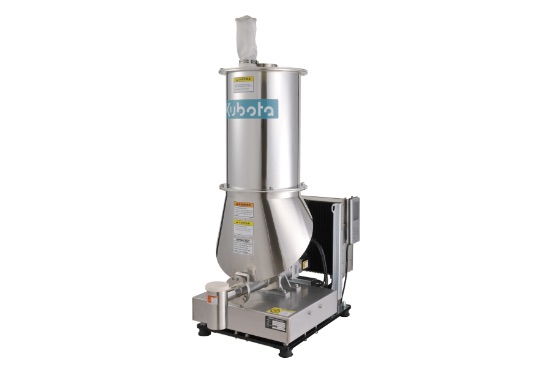
Gravimetric feeder is used to input raw materials in precise ratio into twin screw extruder continuously. In order to achieve high accuracy feeding of raw materials such as plastic resins, fillers (Talc, CaCO3) and additives in granule or powder form, gravimetric feeders with feedback control based on short-term weight changes are necessary. KUBOTA Feeder is one of the best solution of feeding materials precisely and stably in plastic compounding and masterbatch process.
-
Twin Screw Extruder
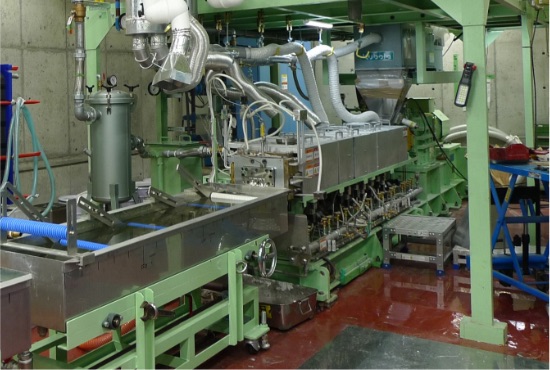
In the compounding process, multiple materials supplied from the gravimetric feeder are kneaded and compounded by twin screw extruder. Users need to properly select screw elements and barrels of twin screw extruder according to the purpose. Based on information such as what materials to use and how much output is required, compounding systems are constructed, sometimes with side feeders and liquid pumps.
-
Mixing system
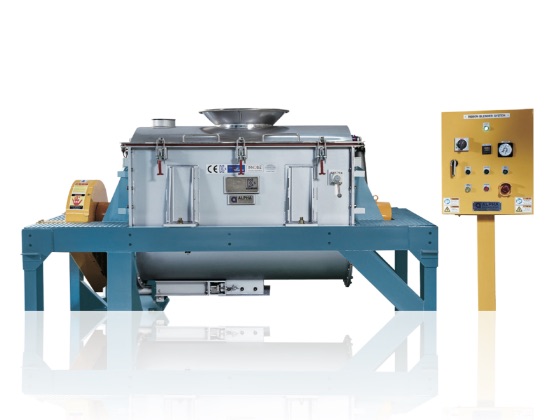
In the compounding process, depending on the factory layout or mixing ratio, there are cases where multiple materials are mixed and then supplied to the gravimetric feeder. In such a case, it is necessary to mix and homogenize multiple materials using a mixer. There are various types of mixers, such as an agitator blade rotating type (ribbon mixer, super mixer, etc.) and a container rotating type (tumbler mixer, etc.) , and it is necessary to select an appropriate model according to the materials and capacity.
-
Pelletizer
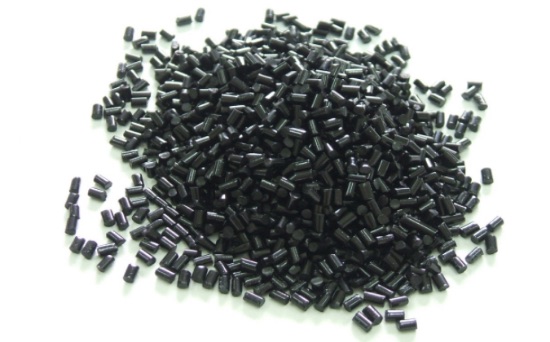
The material kneaded in the twin-screw extruder is cut into granules by a pelletizer, sorted by vibrating sieve, and sent to the packing process. There are different types of pelletizing system, such as strand pelletizers, underwater pelletizers, and water ring pelletizers. In the strand pelletizer, the compounded material is discharged from the extruder in strands form, then it is cooled in a water tank and cut.
-
Packing and sewing process
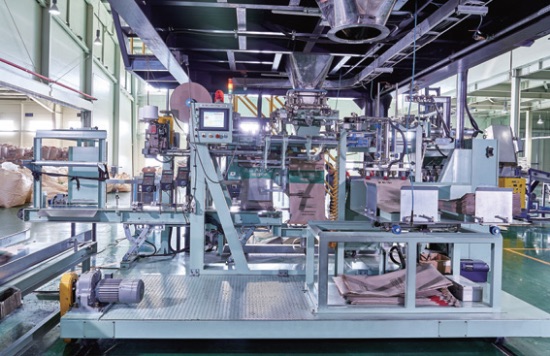
The pelletized final product is packed in a paper bag or flexible container bag. In the packing process, a predetermined amount is weighed by a weighing machine, filled into a container, and then sealed by a sewing machine and completed. For large capacity, it is necessary to install automatic and semi-automated processes for continuous packing and sewing.
-
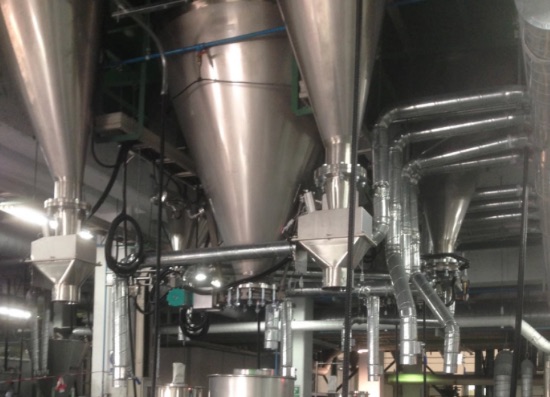
Material handling system
Since the compounding process is continuous and connected to multiple facilities, material handling techniques such as material storage, conveying, and refilling system are required between each process. Designing in accordance with the characteristics of the material is important. For example, designing of a tank that does not cause bridging and the selection of an appropriate automatic valve and dosing device are important points for long-term stable production.
CONTACT US
Thank you for your interest in products.
Fields marked with an asterisk (*) are required.

INFORMATION
KYOKUTO BOEKI INDIA PRIVATE LIMITED
KUBOTA FEEDER TECHNICAL CENTER INDIA
PHONE
+91 9940686007
EMAIL
sales@kbindia.co.in
ADRESS
No.33, 1st Floor, Kamarajar Road,
Tass Industrial Estate, Ambattur,
Chennai – 600 098